
The Ultimate Guide to Eloping in the Pacific Northwest (Oregon & Washington)
How to Plan an Intentional, Beautiful PNW Elopement
Let’s just get this out of the way… the Pacific Northwest was made for eloping.
Not for performance. Not for pressure. For presence.
From the fog-drenched cliffs of the Oregon Coast to the deep forests of Washington, eloping in the PNW offers something increasingly rare: space to actually feel your wedding day as it’s happening. No packed timelines. No expectations to manage. Just an intentional experience built around the two of you.
This guide covers everything couples need to know about planning a Pacific Northwest elopement — the best places to elope in Oregon and Washington, when to go, how to handle permits, what it costs, and how to create a day that feels grounded, private, and entirely your own.
If you’re dreaming about a wedding day that feels more like stepping into a memory than hosting an event, you’re in the right place.
There are places in the world that feel like they were made for weddings.
And then there are places that feel like they were made for vows.
The Pacific Northwest is the second kind.
If you’re here, you’re probably not dreaming about chair covers or a packed dance floor. You’re imagining something quieter. A day that feels like stepping fully into your life together instead of performing it for a room full of people.
Eloping in the Pacific Northwest isn’t just about dramatic coastlines or mountain views. It’s about space. Space to breathe. Space to feel present. Space to actually experience what’s happening instead of rushing through it.
From the foggy cliffs of the Oregon Coast to the deep forests of Washington, the PNW has become one of the most sought-after places in the world for couples planning an intentional, experience-driven wedding day. But planning an elopement here is different than planning a traditional wedding or even a typical destination trip.
There are permits to consider.
Weather patterns to understand.
Hidden locations that most people will never find on Google.
And a thousand small decisions that can either make your day feel effortless or unnecessarily stressful.
When it’s done right, a PNW elopement doesn’t feel like an event. It feels like stepping into a memory you’ll carry for the rest of your life.
This guide covers everything couples need to know about planning a Pacific Northwest elopement — the best places to elope in Oregon and Washington, when to go, how to handle permits, what it costs, and how to create a day that feels grounded, private, and entirely your own.
If you’re also considering locations beyond the PNW, you can explore my guide to the best places to elope in the world for more destination ideas.
Planning an elopement in the Pacific Northwest?
If you’re dreaming about a quiet, intentional wedding day somewhere along the Oregon coast, deep in the Washington forests, or tucked into the secluded mountains, I help couples plan and photograph elopements that feel calm, present, and entirely their own.
If you’re in the early stages and want guidance, you can reach out here:
Planning a PNW elopement? Start here.
If you’re considering eloping in Oregon or Washington, this guide will walk you through the best locations, ideal seasons, logistics, and what it actually takes to create an intentional, low-stress elopement experience in the Pacific Northwest.
A Quick Note Before We Dive In
I’ve photographed elopements across the U.S. and internationally — from Joshua Tree and the coastlines of Oregon to the quiet mountains of Ireland and the deserts of the American West. No two places are the same, but couples tend to tell me the same thing afterward:
“You made this so easy.”
Planning an elopement in the Pacific Northwest can feel overwhelming at first. There are endless location options, changing weather patterns, permits to navigate, and a lot of information online that doesn’t always reflect what the experience actually feels like.
Everything in this guide comes from real experience helping real couples plan and photograph elopements in places that require flexibility, intention, and a thoughtful approach. My goal is to make this feel clearer, simpler, and far less stressful than it might seem right now.
As you read through the locations and planning tips below, think of this as both inspiration and a practical guide to creating a Pacific Northwest elopement that feels grounded, present, and entirely your own.
Why Elope in the Pacific Northwest?
Most people don’t decide to elope because they hate weddings.
They decide to elope because they want to actually experience their own.
Not manage a timeline.
Not host a production.
Not spend the day performing for a room full of people.
Just experience it.
The Pacific Northwest has a way of making that possible almost immediately. You step outside and things go quiet. The air feels different. The pace changes. It becomes easier to imagine a wedding day that isn’t built around expectation, but around presence.
This isn’t a place that demands attention. It holds space. Long stretches of coastline where no one is watching. Forests that feel steady and grounding. Light that changes slowly enough for you to notice it.
For couples who want a wedding day that feels calm, private, and real, the Pacific Northwest makes a strong case for itself.
Not because it’s trendy.
Because it allows you to focus on what’s actually happening.
This guide walks through what it’s like to elope here, where to go, when to go, what to consider, and how to create a day that feels intentional from beginning to end.
Who the Pacific Northwest is for
Eloping here tends to appeal to couples who don’t see themselves reflected in traditional wedding culture.
People who care more about the experience than the production.
People who want a day that feels steady instead of overstimulating.
People who want to remember how it felt, not just how it looked.
You don’t need to be avid hikers or outdoors experts. You don’t need a complicated timeline or a long list of activities. Most couples are simply looking for a place that allows them to be present with each other without interruption.
The Pacific Northwest makes that possible in a way few places do.
You can start the morning slowly in a cabin or along the coast.
Exchange vows somewhere quiet.
Spend the rest of the day walking, driving, eating well, watching the light change.
There’s no requirement to turn the day into a production. The landscape does enough on its own.
Why Oregon and Washington work so well for elopements
Logistically, the Pacific Northwest offers something that’s surprisingly rare: variety without distance.
You can choose between coastline, old-growth forest, alpine lakes, mountain viewpoints, or open desert without needing multiple flights or long travel days. That flexibility allows you to build an experience that reflects how you actually like to spend time together.
It also makes it easier to avoid the feeling of being on display. With the right timing and location choices, it’s entirely possible to find places that feel private, even in well-known areas.
That balance — access and solitude, beauty and calm — is what makes Oregon and Washington such strong choices for couples planning an intentional elopement.
Not every location needs to feel remote.
It just needs to feel like yours.
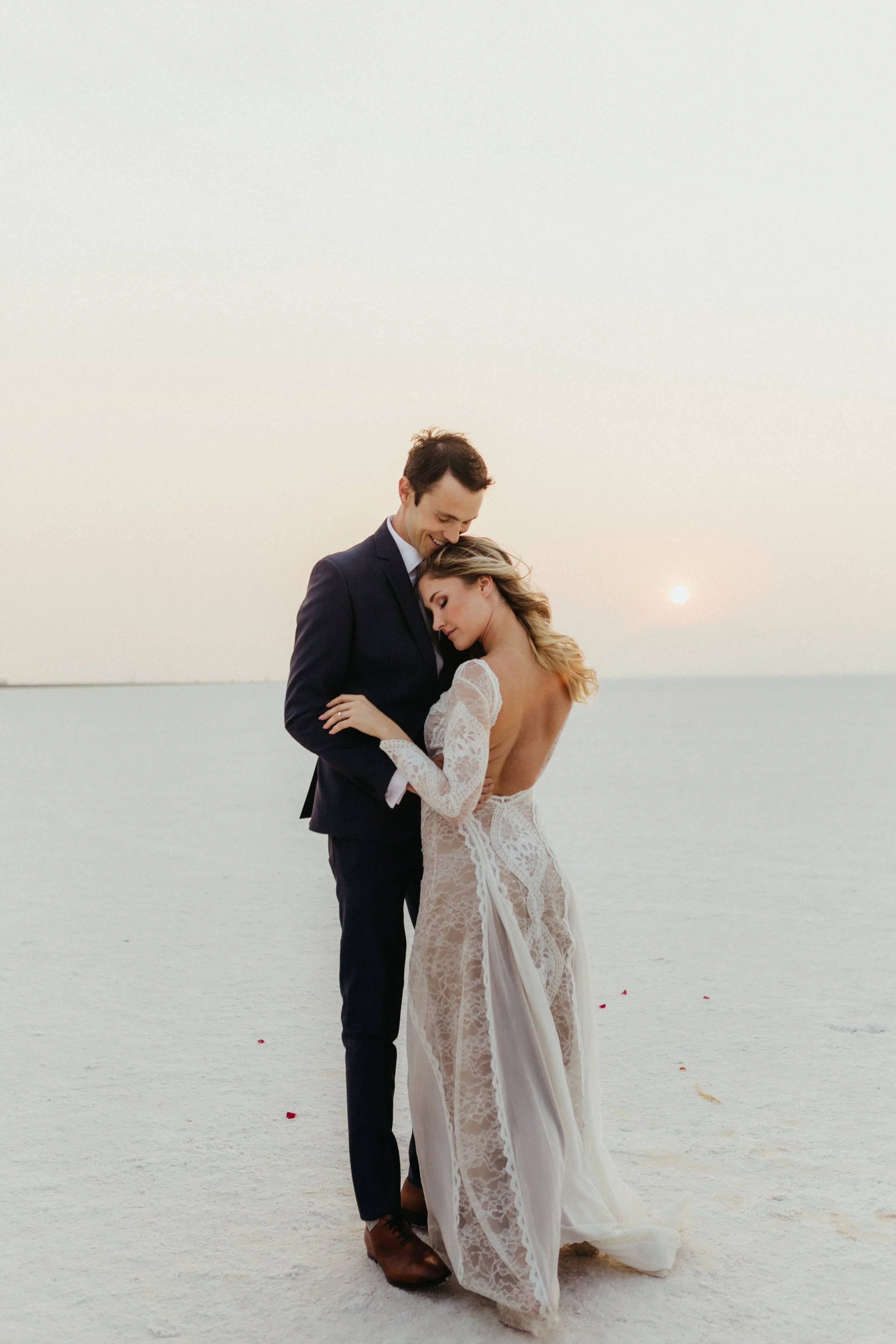
TL;DR: Why Elope in the PNW
Privacy Over Production: Choose a place that lets you be fully present.
Easy Access: Coast, forest, mountains, and desert all within a few hours.
Low-Key Logistics: Many locations require minimal permits if planned well.
Experience First: Build a day around how you want it to feel, not how it should look.
Best Places to Elope in the Pacific Northwest
Oregon offers one of the widest ranges of landscapes in the country without requiring significant travel between them. That flexibility makes it especially well suited for elopements that prioritize experience over logistics.
You can begin the day along the coast, move inland toward the mountains, and end under a completely different kind of sky. Or you can choose one setting and let it shape the entire day.
Oregon Coast Elopement Locations
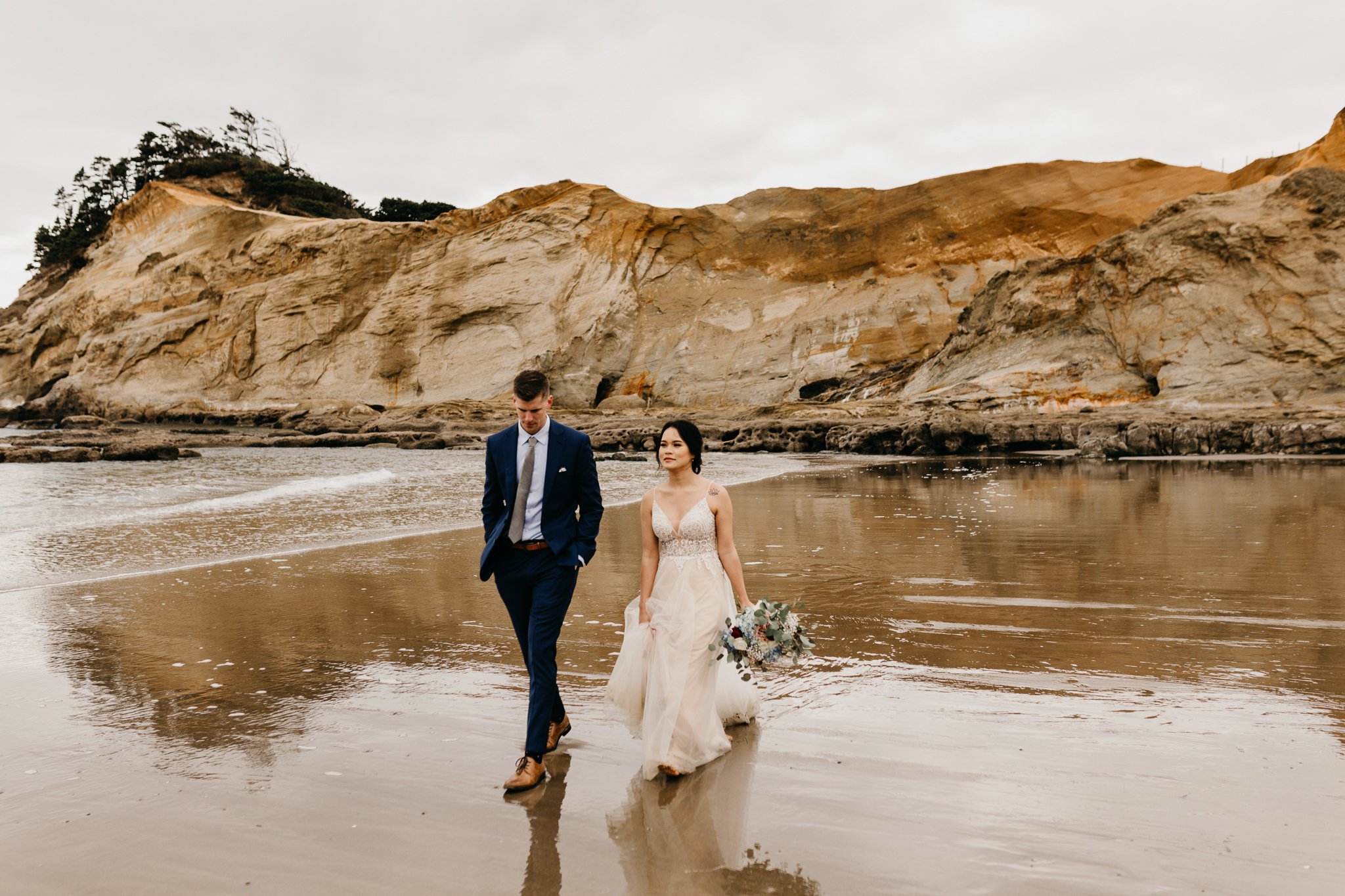
The Oregon Coast is often where couples begin when they think about eloping in the Pacific Northwest. Not because it’s trendy, but because it offers something increasingly hard to find: space that feels open and unstructured.
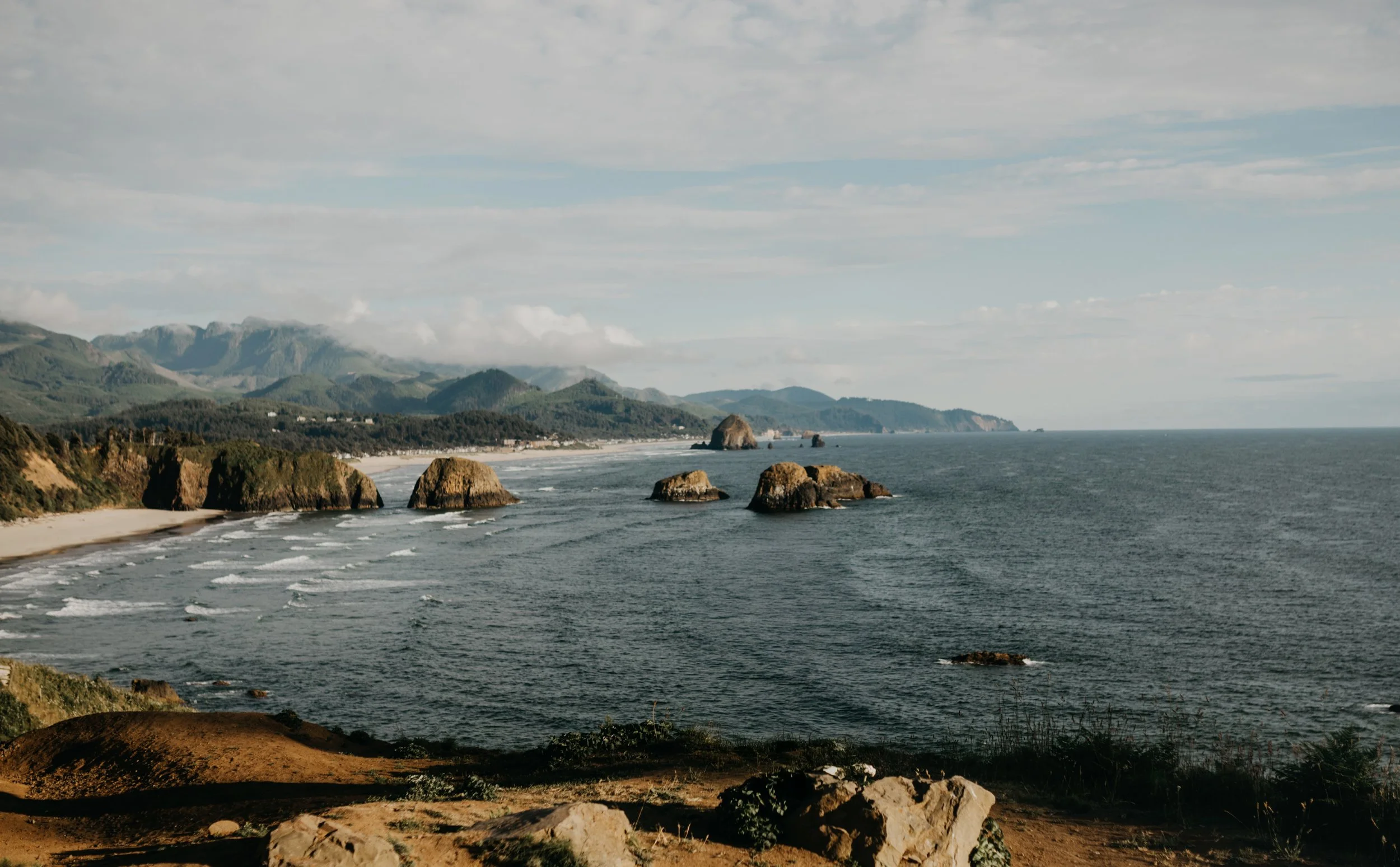
The coastline stretches for hundreds of miles, much of it public and accessible. That access allows for flexibility. You can move throughout the day instead of anchoring everything to one fixed viewpoint. With the right timing, even well-known areas can feel quiet.
Mornings tend to be calmer. Weekdays even more so. Fog moves in and out without much warning and often adds more atmosphere than inconvenience. When the sky clears, the light can feel expansive and steady, especially later in the day.
Some parts of the coast feel more remote than others. The southern stretches tend to be quieter and less trafficked. Northern sections are easier to reach from Portland but benefit from early starts and a willingness to move slightly beyond the most obvious viewpoints. Both can work well depending on how you want the day to feel.
The coast suits couples who want something elemental and unforced. Wind moving across the water. Long sightlines. A sense that nothing is competing for your attention.
Notable Oregon Coast Elopement Locations
Each stretch of coastline carries its own rhythm. Some places feel expansive and open. Others feel tucked in and sheltered. Choosing the right one has less to do with popularity and more to do with pace, access, and how you want to move through the day.
A few locations couples consistently gravitate toward:
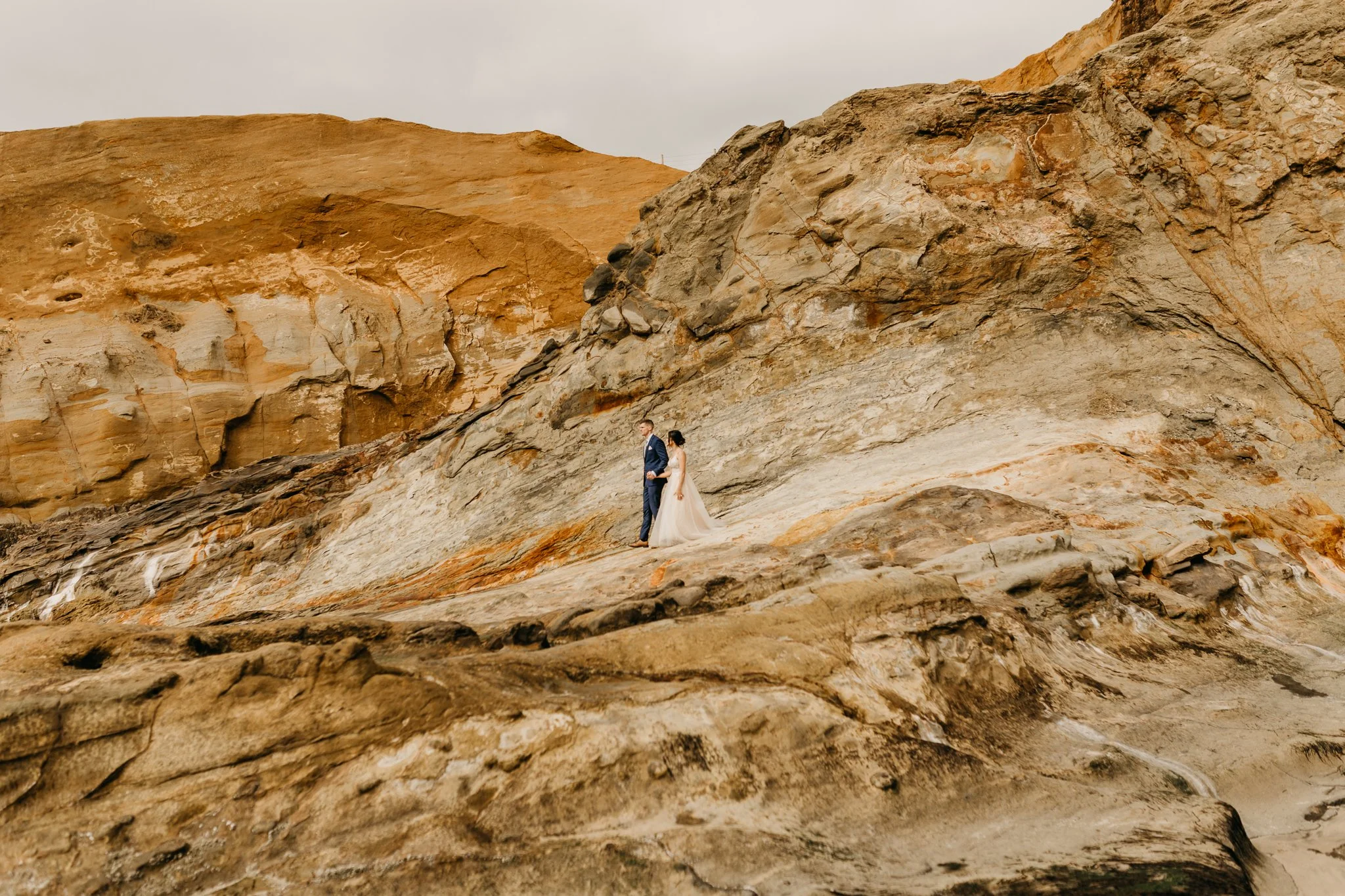
Cape Kiwanda – Sandstone cliffs and wide views over the water. Sunset tends to settle in slowly here, which allows the day to end without feeling rushed.
Ecola State Park – Forested trails that open to sweeping coastal viewpoints. A good fit for couples who want both trees and ocean without significant hiking.
Samuel H. Boardman Scenic Corridor – Rugged and visually striking. Hidden coves, cliffside viewpoints, and a stronger sense of remoteness than most coastal areas.
Cannon Beach – Familiar but still compelling, especially at sunrise or during quieter seasons. With thoughtful timing, it can feel more spacious than expected.
Hug Point – Smaller in scale and often overlooked. Works well for couples wanting something simple and grounded without heavy foot traffic.
Secret Beach & Natural Bridges (Southern Coast) – More effort to access, but often quieter and visually distinct. Best suited for couples willing to plan around timing and terrain.
The most well-known locations aren’t always the best fit. What matters is finding a place that allows the day to unfold without friction or constant interruption.
Central Oregon Elopement Locations
Move inland and the atmosphere shifts. The air dries out. The light stretches. Everything feels more spacious.
Central Oregon has a steadiness to it that many couples are drawn to almost immediately. It’s less dramatic than the coast in an obvious way, but often more grounding. Wide terrain, long sightlines, and a quieter overall pace make it easier to move through the day without feeling rushed or observed.
Around Bend and the surrounding region, the landscape moves between high desert, pine forest, volcanic rock, and distant mountain views. You can choose a setting that feels open and expansive or one that feels more sheltered and quiet. Either way, there’s room to build a day that unfolds slowly rather than feeling tightly scheduled.
Sunrise and sunset tend to be especially calm here. Even locations that see regular visitors can feel unexpectedly quiet early or late in the day. The light carries differently across the high desert, softer and more even, which gives the entire experience a slower rhythm.
Central Oregon works particularly well for couples who want scenery without constant movement or crowds. It allows for space, both physically and mentally, which often makes the day feel more settled from the start.
Notable Central Oregon Elopement Locations
Smith Rock State Park – Expansive canyon views and striking rock formations. One of the most recognizable landscapes in Oregon, especially compelling at sunrise when the light moves slowly across the cliffs and the area feels quieter.
Fort Rock & Surrounding High Desert – Wide open terrain with volcanic features and long sightlines. Feels remote without being inaccessible, and particularly strong at sunset when the light settles across the desert.
Painted Hills – Layered hills that shift in color depending on time of day and season. Visually distinct and best suited for small, low-impact ceremonies with careful planning around access and preservation rules.
John Day Fossil Beds – Expansive and geologically unique. Offers a sense of scale and stillness that’s difficult to replicate elsewhere, especially for couples willing to plan ahead and move thoughtfully through protected areas. Plus I know of a spot that literally no one goes to. I photographed an engagement session at a spot that’s off the beaten path and I’m dying to go back.
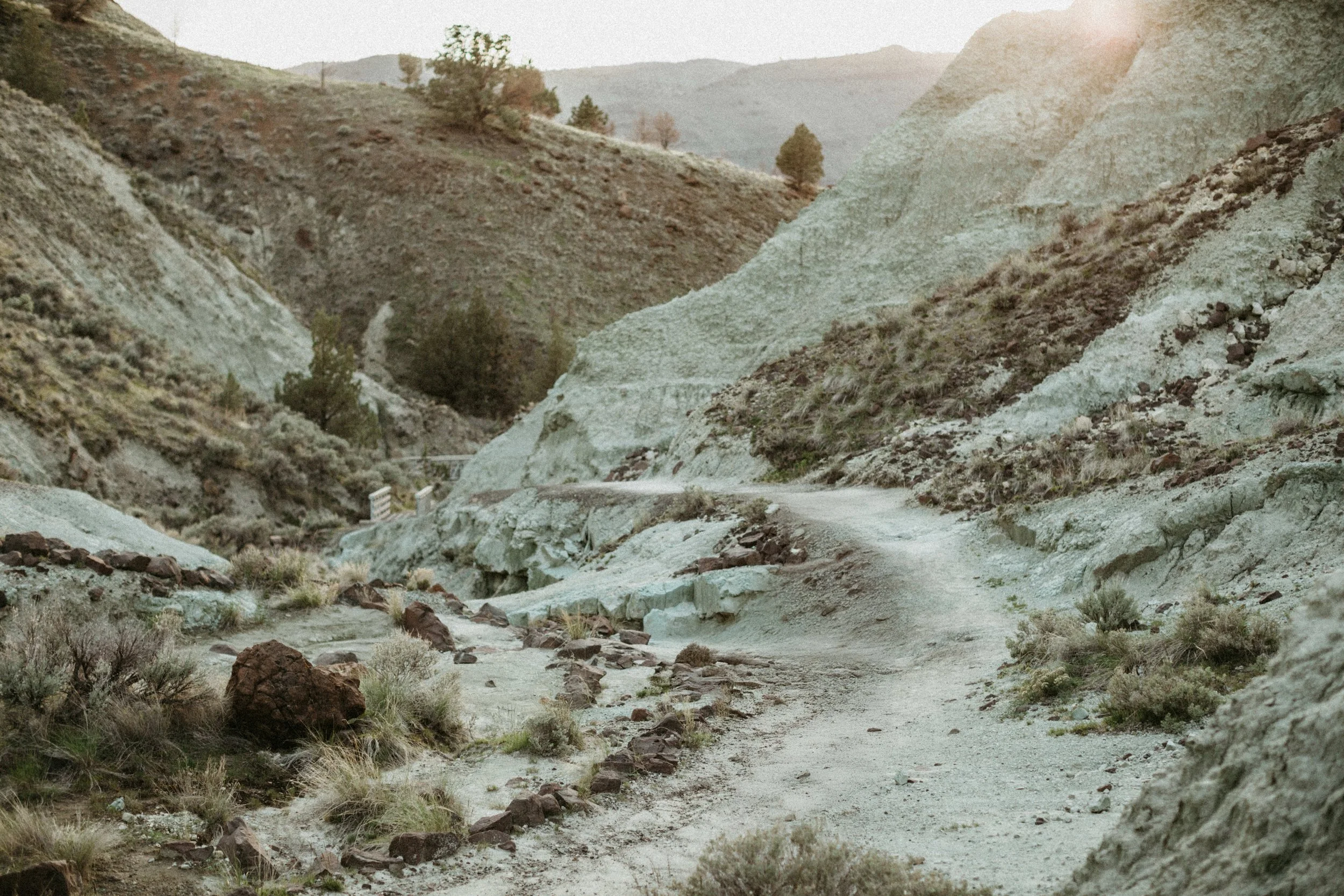
My sort of secret hidden gem of a location. If you want an incredibly unique elopement experience outside of Central Oregon- this would be my top pick.
Eastern Oregon Elopement Locations
Eastern Oregon is quieter than most people expect. Fewer towns. Longer drives. More sky than structure. It’s the kind of landscape that asks you to slow down whether you planned to or not.
For couples who feel drawn to space and stillness, this part of the state often makes immediate sense. There’s very little here that feels performative. No obvious “wedding backdrop.” Just open land, changing light, and long stretches of time that aren’t competing with anything.
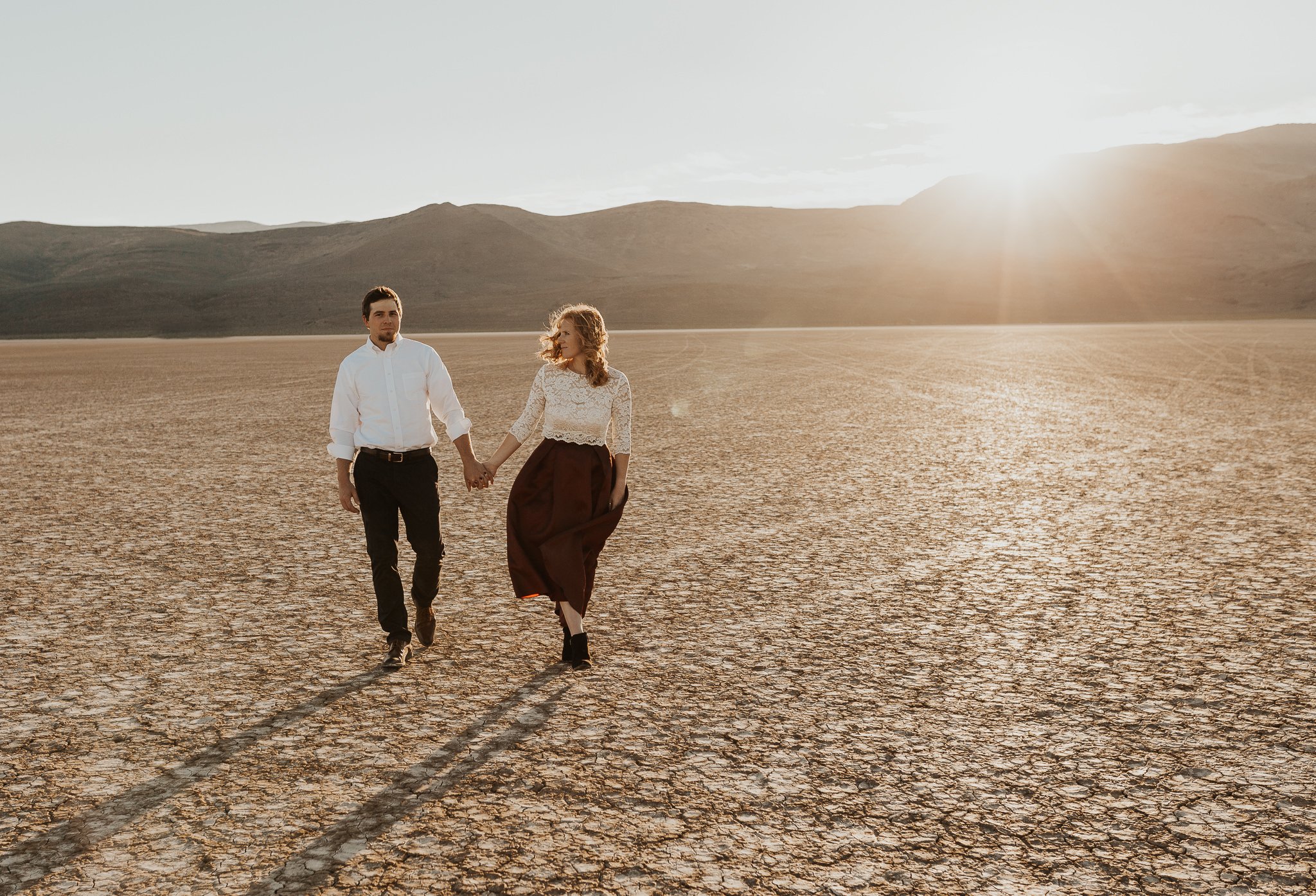
Logistically, it requires more forethought. Distances between locations can be significant, and services are limited once you move farther east. But that distance is also what protects the experience. You’re not stepping into a crowded viewpoint. You’re stepping into a place that feels largely undisturbed.
Light becomes a central part of the day here. Sunrise arrives slowly across the desert floor. Evenings tend to linger, with sunset stretching into long periods of afterglow. If you’re staying overnight, the night sky often becomes part of the experience as well. Minimal light pollution makes stargazing feel less like an activity and more like a natural continuation of the day.
Eastern Oregon suits couples who want privacy without complication. A day that feels spacious. Unrushed. Quiet in a way that’s increasingly hard to find.
Notable Eastern Oregon Elopement Locations
Alvord Desert – Vast open playa with uninterrupted horizon lines and a strong sense of isolation. Particularly striking at sunrise and sunset when the light moves evenly across the desert floor. Best for couples comfortable with remote travel and minimal infrastructure.
Steens Mountain – High elevation viewpoints, winding scenic roads, and expansive views across southeastern Oregon. Offers a mix of mountain and desert terrain with very little foot traffic compared to more well-known regions.
Wallowa Mountains – Often called the “Alps of Oregon,” this region provides alpine lakes, mountain backdrops, and small-town access points that still feel removed from heavy tourism. Works well for couples wanting mountain scenery without national park congestion.
Secret Sand Dunes - Ok they’re not actually called secret sand dunes but I swear no one knows about them unless you’re a local. If you want vast scenic sand dunes vibes, I know just the spot and trust me, it’s gorgeous.
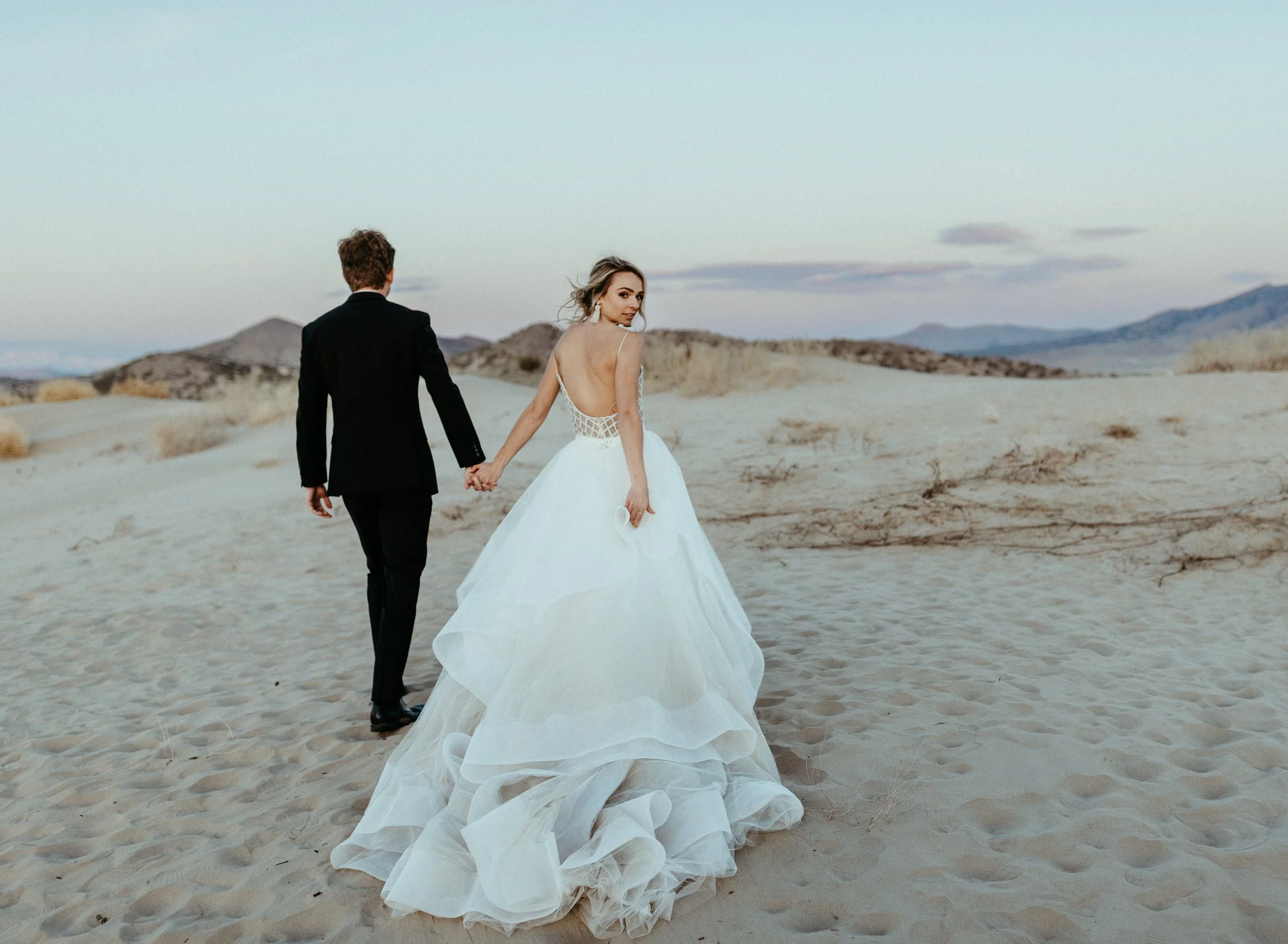
Eastern Oregon isn’t the most convenient choice. That’s part of what protects it. For couples willing to plan ahead and move a little more slowly, it offers one of the most private and expansive elopement settings in the Pacific Northwest. This location is ideal for a couple who would be down to rent a camper van, honestly.
Oregon Waterfall Elopement Locations
Waterfalls are some of the most recognizable landscapes in Oregon, and for good reason. The combination of movement, sound, and dense forest creates an atmosphere that feels immersive almost immediately. You don’t have to add much. The environment does most of the work on its own.
They also require the most planning.
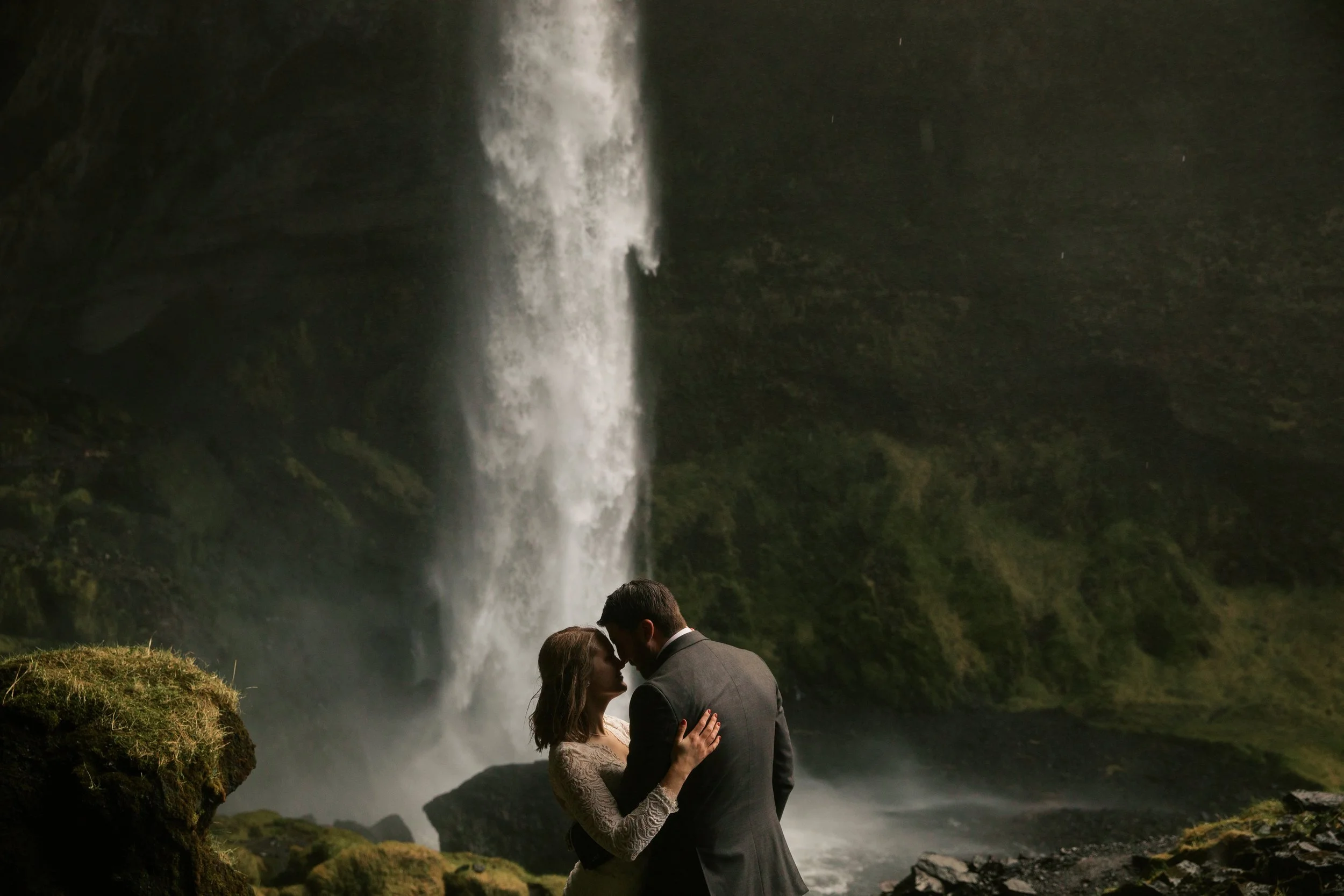
Many waterfall locations sit within protected areas or high-traffic corridors, especially in the Columbia River Gorge. That means permits are often required for ceremonies, even very small ones. Some areas restrict group size or limit where you can stand. Others allow access but prohibit setups like arches, chairs, or amplified sound.
None of this makes waterfall elopements impossible. It simply means approaching them with intention.
Early mornings tend to offer the most privacy. Weekdays are significantly quieter than weekends. Season also plays a role. Spring and early summer bring stronger water flow and deeper greenery, while late summer and fall often mean lower water levels but easier access and fewer visitors.
For couples willing to plan around timing and logistics, waterfalls can provide a setting that feels both grounded and visually striking. The key is choosing locations that allow the experience to remain calm rather than crowded.
Notable Oregon Waterfall Elopement Locations
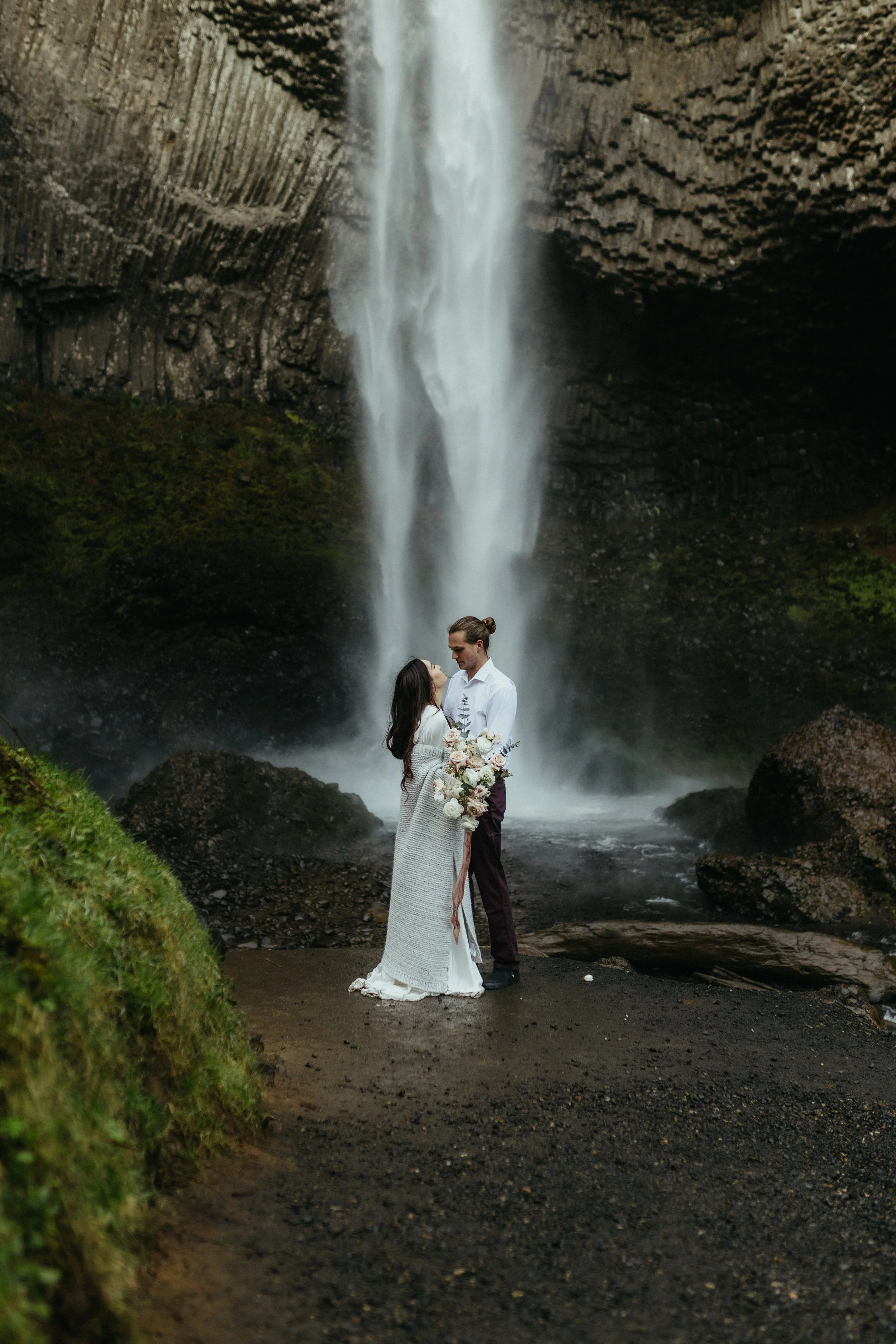
Latourell Falls – One of the more accessible waterfall locations in the Gorge with a strong visual payoff. Best early in the day before visitor traffic increases.
Wahkeena Falls – Tucked into the Columbia River Gorge, Wahkeena feels more enclosed and intimate than many nearby waterfall locations. Moss-covered rock, moving water, and a short but steady trail create a setting that feels immersive without requiring a long hike.
Proxy Falls – Located in Central Oregon, known for its layered cascades and dense forest setting. Particularly striking in late spring and early summer.
Abiqua Falls – More rugged access and typically quieter. Works well for couples comfortable navigating uneven terrain for a more secluded feel.
Waterfall locations tend to work best for couples planning something simple and low-impact. Small group sizes, minimal setup, and flexible timing make it easier to move through these spaces respectfully while still creating a meaningful experience.
Washington Elopement Locations
Washington offers a different kind of landscape than Oregon. Denser forests. Higher peaks. Wetter, greener terrain that feels almost self-contained. It’s a region that tends to suit couples who want a sense of immersion rather than openness.
Distances between environments are relatively short. Within a few hours, you can move from coastline to alpine lakes to deep forest without needing to over-plan the day. That flexibility makes it easier to shape an experience that feels steady rather than rushed.
What draws many couples to Washington is the atmosphere. Light filters differently through the trees. Weather moves in and out quickly. The landscape feels less exposed, more enveloping. For some couples, that creates a sense of privacy that’s harder to find elsewhere.
The key is choosing locations carefully. Some of the most recognizable places can also be the most crowded. But with thoughtful timing and a willingness to move slightly beyond the obvious viewpoints, it’s still possible to find quiet here.
Olympic National Park and Washington Coast Elopement Locations
Olympic National Park offers one of the most varied landscapes in the Pacific Northwest. Rugged coastline, dense rainforest, alpine ridgelines, and quiet lakes all within driving distance of each other. Few places allow this kind of movement without requiring major travel.
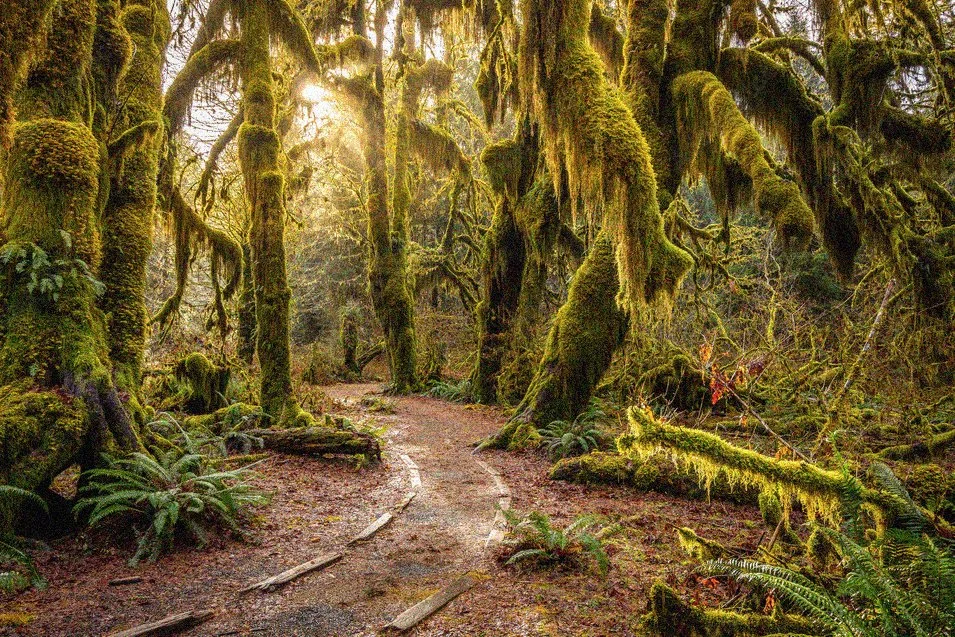
The coast here feels different from Oregon. More driftwood, more texture, often more weather moving through. Beaches tend to feel broader and less structured. With the right timing, it’s possible to find stretches that feel largely undisturbed.
Hoh Rain Forest and other moss-covered areas within the park offer something entirely different. Deep green surroundings, filtered light, and a sense of stillness that feels almost enclosed. Permits are required for ceremonies within national park boundaries, but small, low-impact elopements are typically allowed with advance planning.
Olympic works well for couples who want variety without complication. Coast and forest within the same day. Movement without pressure.
North Cascades Elopements
Where my adventurous folks at?
The North Cascades are at the top of my list for a couple who would LOVE to hike for their ceremony. Up here, it feels quieter and less trafficked than many other mountain regions in Washington. Jagged peaks, alpine lakes, and long stretches of road without interruption create a setting that feels expansive without drawing heavy tourism.
Weather can be less predictable here, and access shifts significantly with the seasons. Snow lingers longer into the year and returns earlier in the fall. For couples willing to plan around those variables, the payoff is a landscape that often feels more private.
This region works well for couples wanting mountain scenery without the visibility of more heavily photographed national parks. It offers scale without constant foot traffic.
Mt. Rainier Elopements
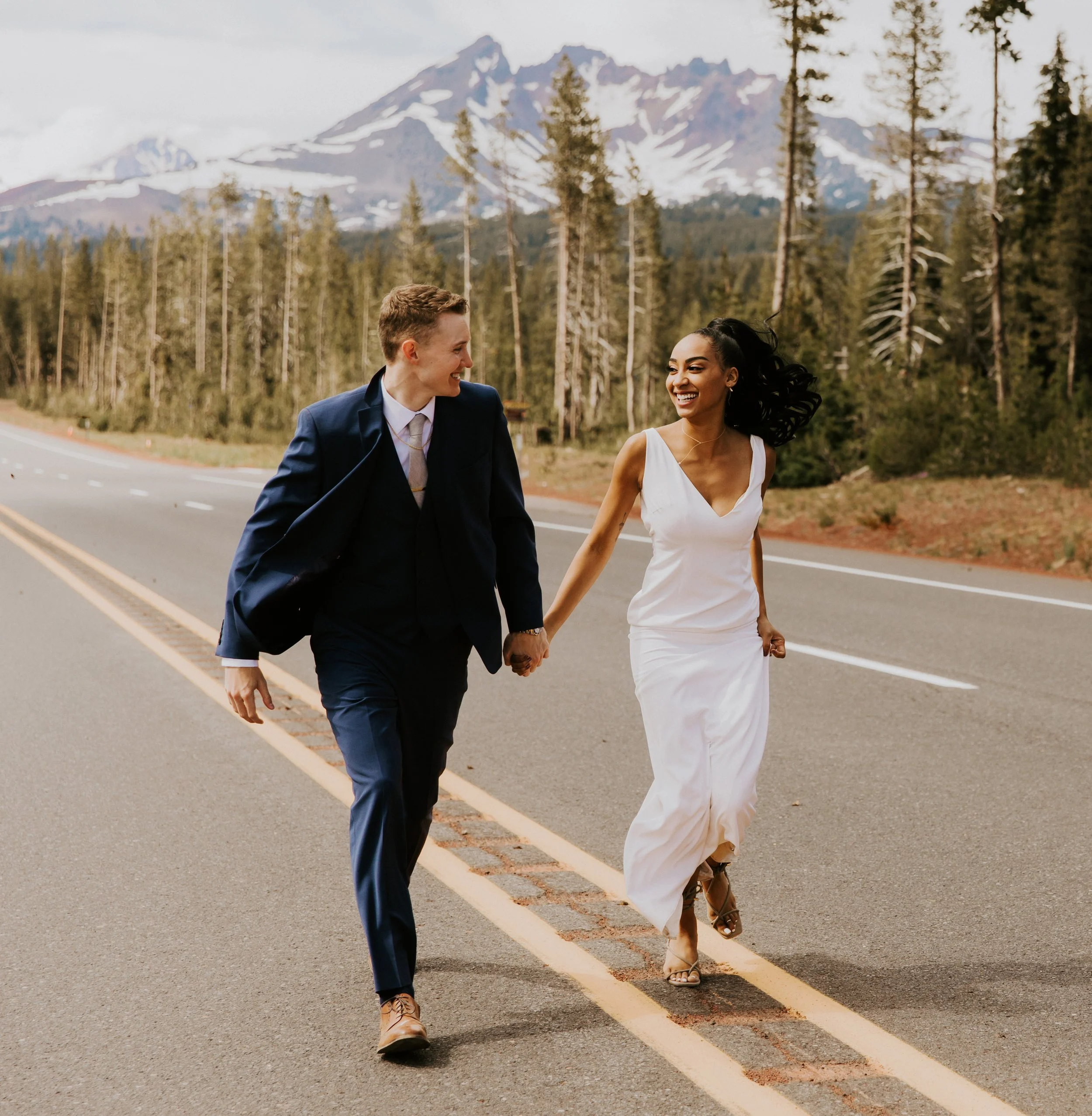
Mount Rainier is one of the most recognizable mountain landscapes in the country. On clear days, the scale is undeniable. Wildflower meadows in summer and snow-covered terrain in cooler months create very different experiences depending on season.
Because of its visibility and proximity to Seattle, it’s also one of the more heavily visited areas. Timing matters here more than almost anywhere else. Sunrise, weekdays, and shoulder seasons offer the most breathing room.
Permits are required for any ceremony within the park, and locations are designated rather than open-ended. For couples willing to work within those parameters, Rainier can offer a strong sense of place without requiring strenuous hiking.
Best suited for couples who want mountain presence and are comfortable planning carefully around access and timing.
Best Time of Year to Elope in the Pacific Northwest
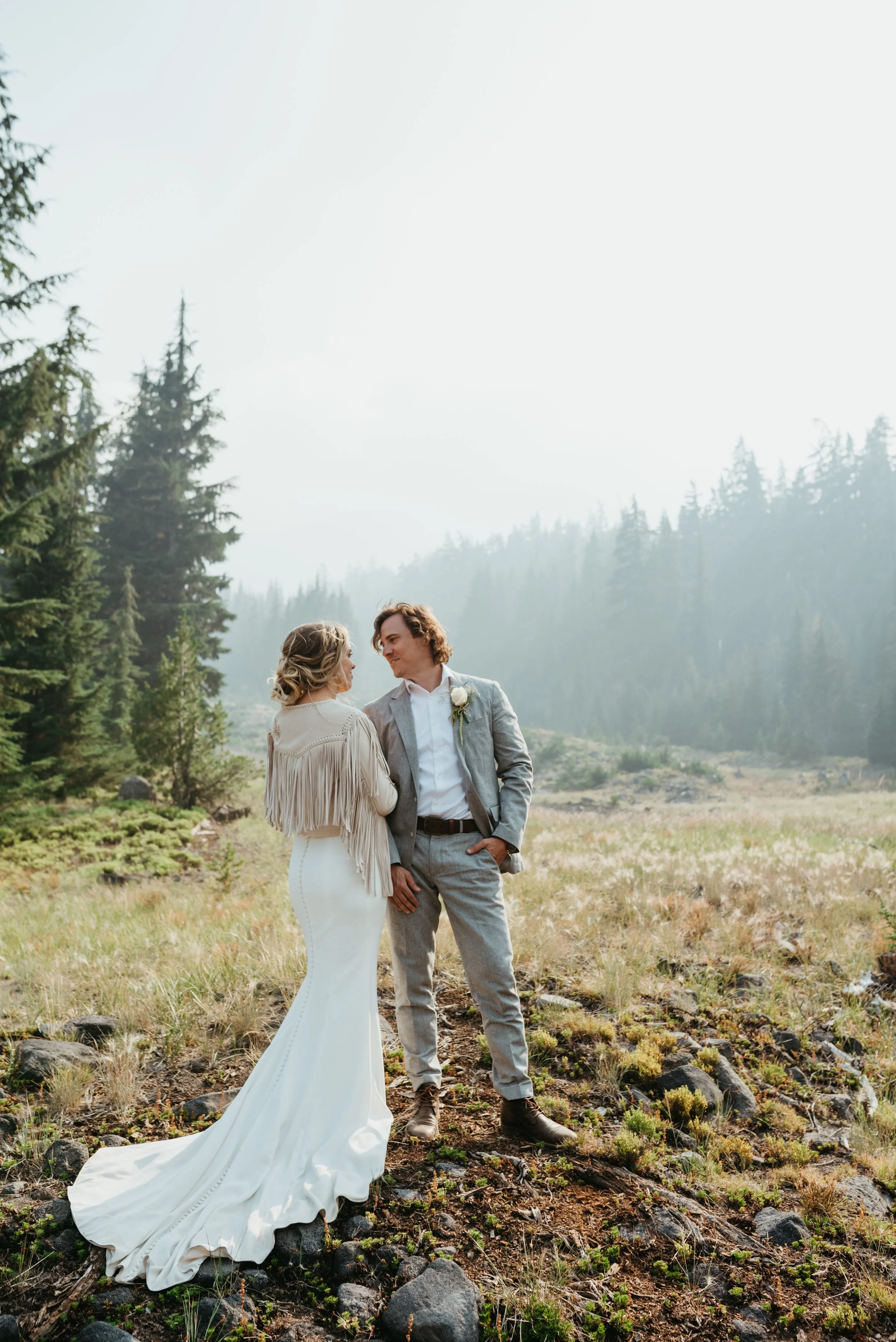
The most common question couples ask after choosing the Pacific Northwest is when to go.
There isn’t a single perfect season. Each part of the year offers something different, and the best choice usually depends less on weather perfection and more on the kind of atmosphere you want your day to have.
Weather in Oregon and Washington shifts quickly. Conditions can change within hours, especially along the coast and in the mountains. Planning with flexibility in mind makes far more difference than trying to predict a perfectly clear day months in advance.
Most couples begin planning 6–12 months in advance, especially for Oregon and Washington. If you’re starting to narrow down timing and locations, you can start planning your elopement here.
What matters most is choosing a season that aligns with your pace, your tolerance for unpredictability, and how you want the landscape to feel.
Spring (April–June)
Spring in the Pacific Northwest tends to be green, quiet, and slightly unpredictable. Snow begins to melt at higher elevations, waterfalls are at their strongest, and visitor numbers remain relatively low compared to peak summer months.
Rain is common, especially earlier in the season, but it usually comes in short stretches rather than lasting all day. Cloud cover often creates softer light and more privacy at popular locations.
Spring works well for couples who:
want fewer crowds
don’t mind some weather variability
are drawn to waterfalls and dense greenery
prefer cooler temperatures
Higher elevation areas may still have snow into late spring, particularly in Washington and around Mount Rainier.
Summer (July–September)
Summer offers the most predictable weather and the widest range of accessible locations. Mountain roads open, alpine lakes become reachable, and daylight extends well into the evening.
It’s also the busiest season. Popular viewpoints and national parks see significantly more visitors, especially on weekends. Early mornings, weekdays, and less obvious locations become important if privacy is a priority.
Wildfire smoke can occasionally affect late summer, particularly in August and September. It doesn’t happen every year, but building flexibility into travel plans is helpful.
Summer works well for couples who:
want mountain access
prefer warmer temperatures
plan to include hiking or multiple locations
don’t mind early start times for privacy
Fall (late September–November)
Fall is often overlooked and tends to be one of the calmest times to elope in the Pacific Northwest. Visitor numbers drop, temperatures cool, and the landscape shifts toward deeper tones.
Early fall can still offer stable weather, particularly in Central and Eastern Oregon. By late October and November, rain returns more consistently and daylight shortens, but the slower pace can make the experience feel more grounded.
Fall works well for couples who:
prefer quieter locations
like cooler air and softer light
want a slower, less crowded experience
are open to flexible weather
Winter (December–March)
Winter is the least predictable season but often the most private. Snow settles into mountain regions, the coast becomes quieter, and many locations feel almost entirely undisturbed.
Access becomes more limited at higher elevations, but coastal areas, lower forests, and desert regions remain viable with planning. Weather windows can be brief but often dramatic in their own way.
Winter works well for couples who:
prioritize privacy over predictability
feel comfortable adjusting plans if needed
prefer a quieter, more introspective atmosphere
are open to coastal or desert locations
Choosing the right season
The best time to elope in the Pacific Northwest isn’t about finding perfect weather. It’s about choosing a season that supports the kind of experience you want to have.
Some couples want long summer evenings and mountain access. Others want quiet coastlines and mist moving through the trees. Others want open desert and uninterrupted sky.
All of it works.
It just depends on what feels most like you.
Planning around weather, locations, and timing can feel like a lot.
Most couples reach out 6–12 months before their elopement date, especially for Oregon and Washington. If you’re starting to picture your day here and want help narrowing down the right season, location, and overall plan, you don’t have to piece it together alone.
How to Elope in Oregon and Washington (Legal + Marriage Licenses)
Once couples settle on the Pacific Northwest, the next question is usually logistical: how to make it legal without turning the day into paperwork.
The good news is that both Oregon and Washington keep the process relatively straightforward. You don’t need to be a resident of either state, and most couples find the legal side far simpler than expected.
Many also choose to separate the legal paperwork from the experience itself. Some complete the legal ceremony at home either before or after their elopement and treat the day in the PNW as the intentional, personal ceremony. Others prefer to handle everything in one place. Both approaches are common and completely valid.
The key is understanding the basic requirements so nothing feels rushed or unclear once you arrive.
Eloping Legally in Oregon
Oregon is one of the more flexible states for elopements, especially for couples traveling in from elsewhere.
To legally marry in Oregon:
You do not need to be an Oregon resident
Both parties must be present to apply for the license
Applications are completed through a county clerk’s office, and you can review current requirements through the official Oregon marriage license guidelines here.
There is typically a 3-day waiting period between receiving the license and being able to use it (some counties allow this to be waived for a small fee)
The license is valid for 60 days
One officiant and two witnesses are required
Many couples apply for their license in the county closest to where they’re staying or where the ceremony will take place. After the ceremony, the signed license is returned to the issuing county for processing.
If you’re planning a very private elopement without guests, photographers and planners often serve as witnesses when needed.
Eloping Legally in Washington
Washington offers one of the more streamlined processes for couples coming from out of state.
To legally marry in Washington:
You do not need to be a resident
You can apply at any county clerk’s office in the state, and it’s helpful to review the current Washington marriage license requirements before arriving so there are no surprises.
There is a mandatory 3-day waiting period with no waiver option
The license is valid for 60 days once issued
One officiant and two witnesses are required
Because the waiting period cannot be waived, couples traveling to Washington typically plan to arrive at least a few days before their ceremony date to obtain their license in time.
After the ceremony, the officiant files the completed license with the county to finalize the marriage.
Permits for Ceremony Locations
Separate from marriage licenses, some ceremony locations require special use permits, particularly in national parks, state parks, and protected landscapes.
Permit requirements vary widely depending on location. Some areas require advance applications and designated ceremony sites. Others allow small, low-impact ceremonies without formal permits as long as group size and setup remain minimal.
In general:
National parks almost always require a permit
Many state parks require permits for ceremonies
Some public lands allow small ceremonies without formal applications
Group size and setup restrictions are common
Understanding permit requirements early helps avoid last-minute adjustments and ensures access to the locations you’re considering.
Keeping the day simple
For many couples, the legal side of eloping ends up being the least stressful part once they understand the steps. A short visit to a county clerk’s office, a signed license, and the formalities are complete.
What matters more is how the day itself feels.
Some couples treat the legal ceremony as a brief administrative step and focus their energy on creating an experience that feels intentional and personal. Others choose to combine everything into one moment. There isn’t a right or wrong approach — only what allows you to stay present and unhurried.
How to Plan a Stress-Free PNW Elopement Timeline
One of the biggest advantages of eloping in the Pacific Northwest is flexibility. You’re not working around a venue schedule or coordinating a large group of people. The day can unfold in a way that actually matches how you move through the world together.
That said, a loose structure helps more than most couples expect.
Weather shifts quickly in Oregon and Washington. Light changes dramatically depending on location and season. Travel between locations can take longer than it appears on a map. Building a timeline that allows for movement without rushing is what keeps the day feeling calm.
If you’re starting to piece together ideas and want help building a timeline that actually feels calm and realistic, you can reach out here to start a conversation.
Most couples don’t need a packed schedule. In fact, the opposite tends to work better. Fewer locations. More time in each place. Space to pause, eat, sit, and take in what’s happening rather than moving constantly from one viewpoint to another.
A simple framework often works best:
a slow morning getting ready
travel to the ceremony location with extra buffer time
time set aside for vows without interruption
unstructured time afterward to explore or rest
sunset or evening time built in if possible
The goal isn’t to fill the day. It’s to create a shape that allows you to stay present without watching the clock.
Many couples find that once the basic structure is in place, everything else feels significantly easier.
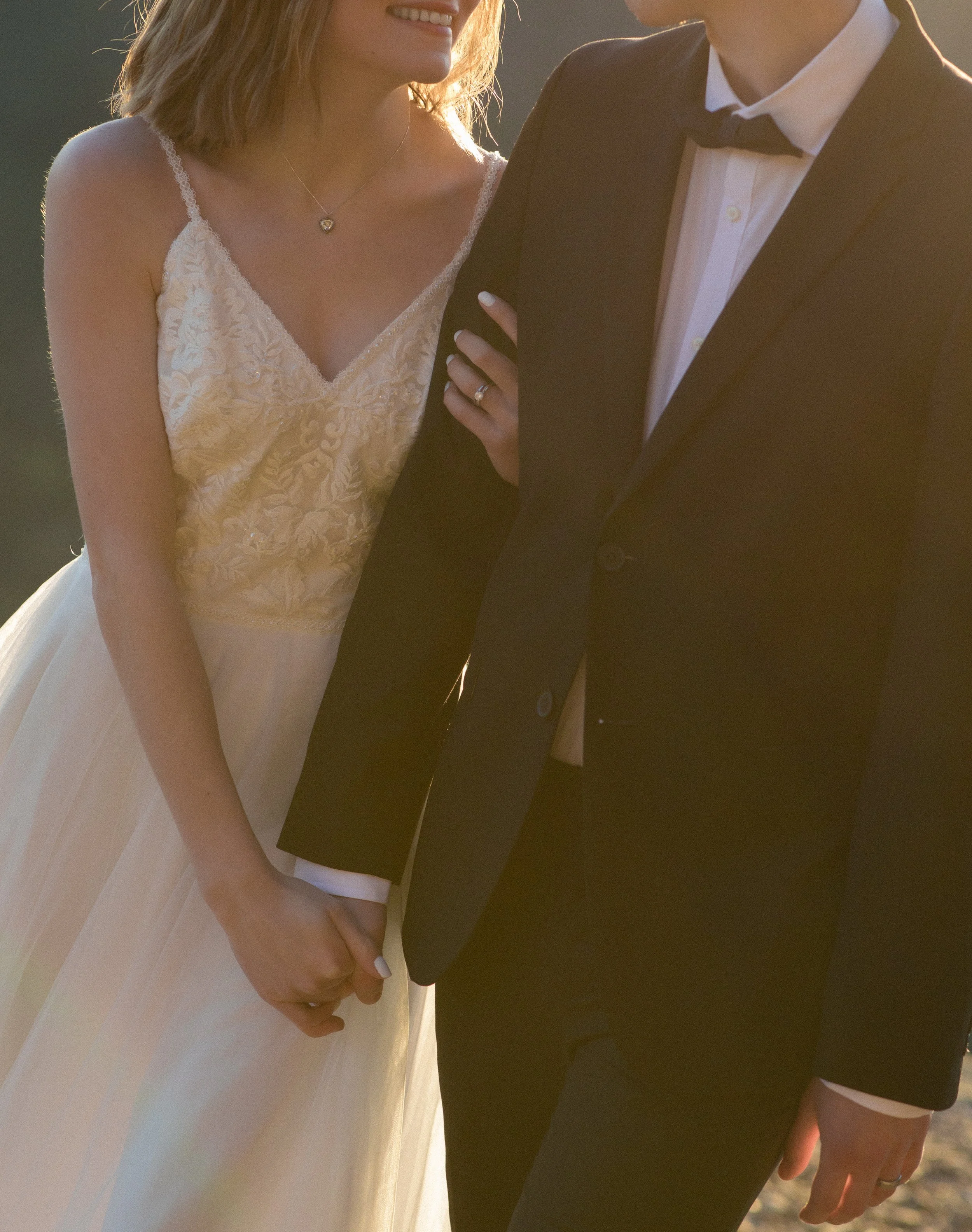
Sample 8-Hour PNW Elopement Timeline
1:00pm: Coverage begins | Getting ready
Final touches, details, and a few quiet moments wrapping up vow-writing for example. Nothing rushed. Just easing into the day.
1:45pm: First look or private moment together
A few minutes together before heading out. Helps shift from logistics into actually experiencing the day.
2:15pm: Drive to ceremony location
Plan for 30–60 minutes. Build in buffer time for parking, walking, or weather changes.
3:15pm: Arrive + pause
Time to take in the location without immediately starting the ceremony.
3:30pm: Ceremony
Short, simple, and unhurried. Time afterward to stand together and let it land.
4:00pm: Explore + photos around ceremony area
Walking, talking, and documenting the environment without feeling staged.
4:45pm: Picnic / relaxed meal
A simple picnic, champagne, or takeout. Time to sit, eat, and breathe rather than moving nonstop.
5:30pm: Drive to sunset location
Another 30–60 minute transition. Often becomes a quiet reset in the day.
6:30pm: Arrive + light exploring
Ease into the landscape. No rush to start shooting immediately.
7:00–8:15pm: Sunset photos
The most relaxed part of the day. Movement slows, light softens, and everything tends to feel more present.
8:30pm: Coverage ends
Either heading to dinner, back to lodging, or simply closing out the evening quietly.
This structure keeps the day spacious while still allowing for multiple locations and a meaningful pause in the middle.
What a Pacific Northwest Elopement Day Can Actually Feel Like
There’s a noticeable shift that happens once the day begins.
Without a large guest list or tight schedule, time tends to slow down. Mornings feel quieter. Conversations last longer. There’s less background noise competing for attention. You might wake up somewhere along the coast with the sound of the ocean outside. Or in a small cabin surrounded by trees. Coffee takes longer. Getting ready feels less like preparation and more like part of the experience.
Travel between locations becomes part of the day rather than a logistical hurdle. Windows down. Music low. Light moving across the landscape as you drive.
The ceremony itself is often simple. A place that feels right. A few words spoken without amplification. Enough time afterward to stand still for a moment and let it land.
There’s no pressure to move quickly. No one waiting for the next event. Just a gradual unfolding of the day.
By evening, most couples feel less like they’ve hosted something and more like they’ve stepped into a memory they’ll carry with them.
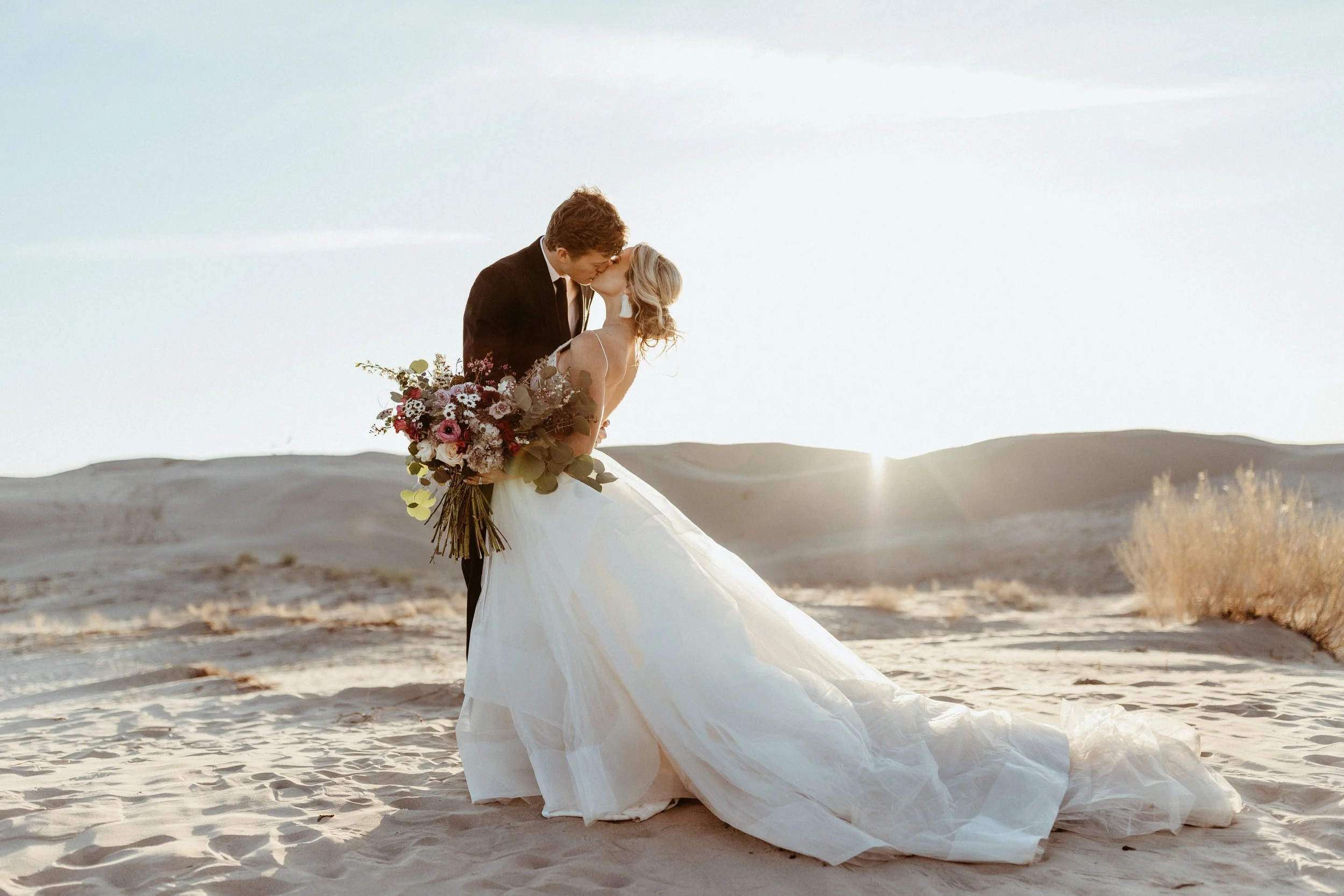
That difference is usually why they chose to elope in the first place.
You don’t have to figure out locations, timing, permits, and logistics on your own. I help couples plan and photograph intentional elopements throughout Oregon and Washington in a way that keeps the experience calm and uncomplicated.
If you’re considering a Pacific Northwest elopement and want guidance as you begin shaping ideas, you can reach out here.
How Much Does it Cost to Elope
Costs vary widely depending on location, travel, and how elaborate or simple you want the day to be. One of the reasons many couples choose to elope is the ability to prioritize what matters most and leave out what doesn’t.
A typical Pacific Northwest elopement budget often includes:
photography
travel and lodging
attire
florals
permits (if required)
meals or a private dinner
hair and makeup (optional)

Some couples keep things minimal and spend only a few thousand dollars. Others choose to invest more heavily in travel, multi-day experiences, or photography and spend significantly more.
What surprises many couples is that even a thoughtfully planned elopement often costs far less than a traditional wedding while feeling more personal and less stressful.
The most important factor tends to be intention. Deciding what matters most to you — privacy, scenery, time together, comfort — usually makes budget decisions much clearer.
A sample breakdown of the cost of an elopement:
A realistic investment for a full, high-touch elopement experience
Estimated total: $18,000–$28,000+
This usually includes travel, thoughtful details, and a full photography experience built around the day.
Photography: $7,000–$10,000
Most couples investing in a Pacific Northwest elopement fall somewhere within this range. You can view my elopement coverage options here if you want a clearer sense of what’s included.
Attire: $1,000–$5,000
Marriage license: ~$100 (varies by county/state)
Officiant: ~$400–$800
Florals: $800–$3,000
Hair & makeup: ~$600–$900
Private dinner or celebration: $1,000–$5,000
Travel & accommodations: $4,000–$7,000+
Couples choosing this route often want the day to feel immersive and unhurried — multiple locations, comfortable lodging, good food, and enough time to experience everything without rushing.
A more minimal, No Frills elopement
Estimated total: $9,000–$15,000
For couples keeping things simple and focused primarily on the experience itself.
Photography: starting around $7,000
Attire: $1,000–$3,000
Marriage license: ~$100
Officiant: ~$400–$800
Florals: ~$300–$800
Hair & makeup: ~$600–$900 (optional)
Celebration meal: $300–$1,000
Travel & accommodations: $2,000–$4,000
Many couples are surprised to find that even a thoughtfully planned elopement often costs far less than a traditional wedding while feeling significantly more personal and less stressful.
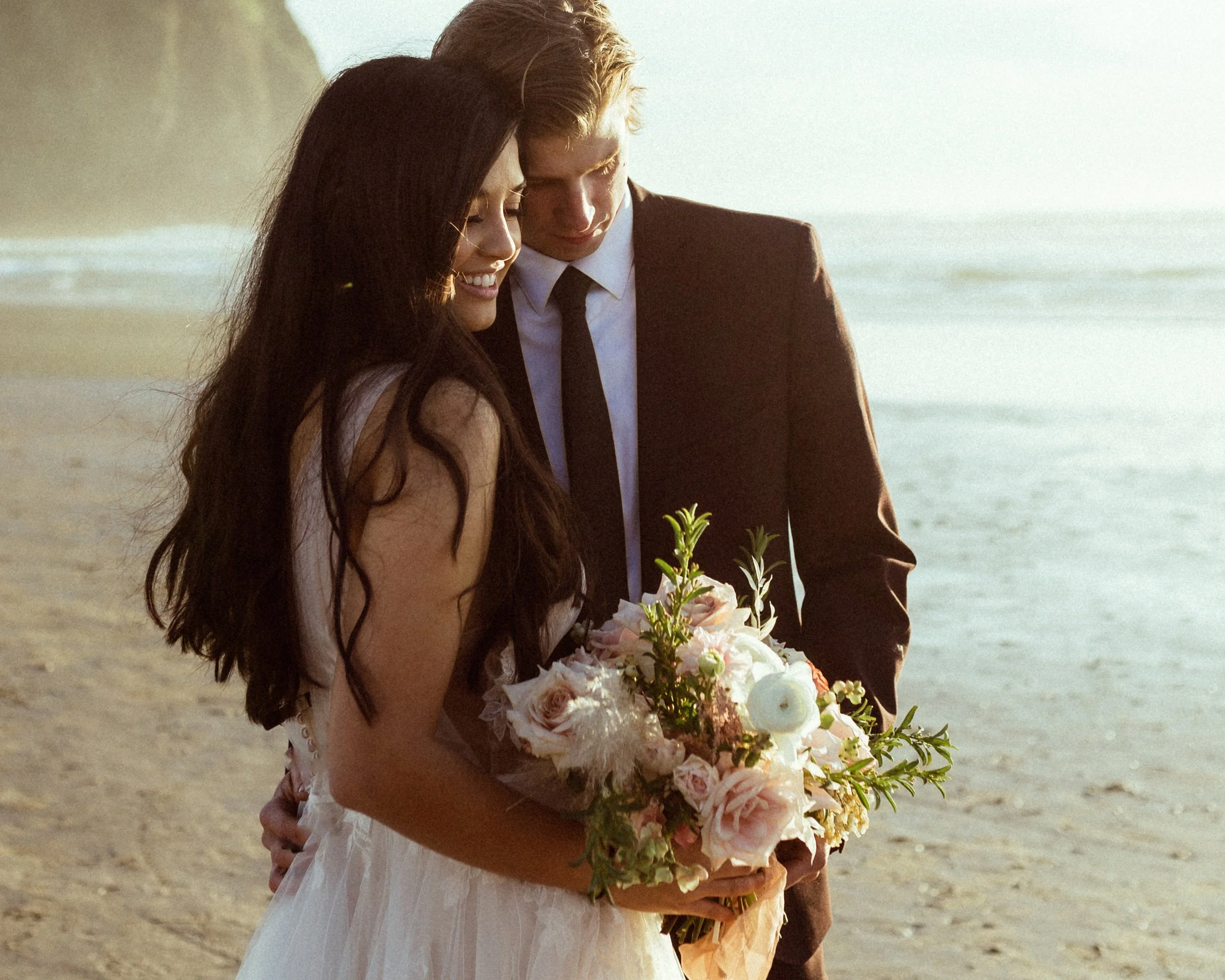
TL:DR: Costs of an elopement
Depending on how luxurious or simple you’re going for, with a priority placed on expert vendor teams, you could expect to spend anywhere from $9,000-$28,000.
Getting Started Without Overcomplicating It
Most couples begin in the same place: a general sense that they want to elope, and a lot of scattered information about how to make it happen.
It doesn’t have to be complicated.
A few simple starting points tend to make everything else clearer.
Start with a realistic budget
Not based on what you see online, but on what feels comfortable for you. Look at travel costs, lodging, attire, and the experience you want to create. A flexible range is more helpful than a fixed number.
Choose a location that feels natural
Coast, mountains, desert, forest — there isn’t a right answer. The best choice is usually the place that feels most like you when you picture the day unfolding there.
Prioritize experience over logistics
Once the general location and budget are set, most other decisions fall into place more easily. Travel, lodging, and any additional details can be layered in without turning the process into a production.
Keep the vendor list small
Most elopements don’t require a large team. A few trusted people and a clear plan tend to create a smoother, more grounded experience than trying to coordinate too many moving parts.
From there, planning usually becomes far more straightforward than couples expect. The goal isn’t to construct a perfect day. It’s to create one that feels intentional and easy to move through from beginning to end. I’m Michelle, a destination elopement photographer who helps couples create intentional wedding days throughout Oregon, Washington, and wherever the experience leads.
Planning a Pacific Northwest elopement?
Whether you’re just starting to explore or already narrowing down locations, I photograph and help plan intentional elopements throughout Oregon and Washington for couples who want a day that feels calm, private, and deeply personal.
I’m Michelle, a destination elopement photographer and planning guide. I help couples create grounded, meaningful wedding days in places that allow them to be fully present, whether that’s along the coast, in the mountains, or somewhere quieter and less expected.
My role is to make the experience feel clear and uncomplicated.
Locations, timing, permits, travel, flow of the day, I guide you through all of it so nothing feels chaotic or overly produced. You get to arrive and experience the day as it’s actually happening.
Nothing staged. Nothing forced.
Just a day that feels like your life, honestly documented.
If you’re considering a Pacific Northwest elopement, you can reach out anytime to start the conversation or ask questions.
Fill out our inquiry form here and I’ll be in touch super fast, pinky promise.